📍 Location: Lublin – approx. 30 km from Arche Nałęczów
Lublin – a city of history, culture, and exceptional walks
Lublin is one of the most interesting options for a full-day trip during your stay at Arche Nałęczów. It's a city full of history, monuments, atmospheric streets, museums, restaurants, cultural events, and green places perfect for relaxation. Lublin enchants with its combination of multicultural past, artistic atmosphere, and modern urban life.
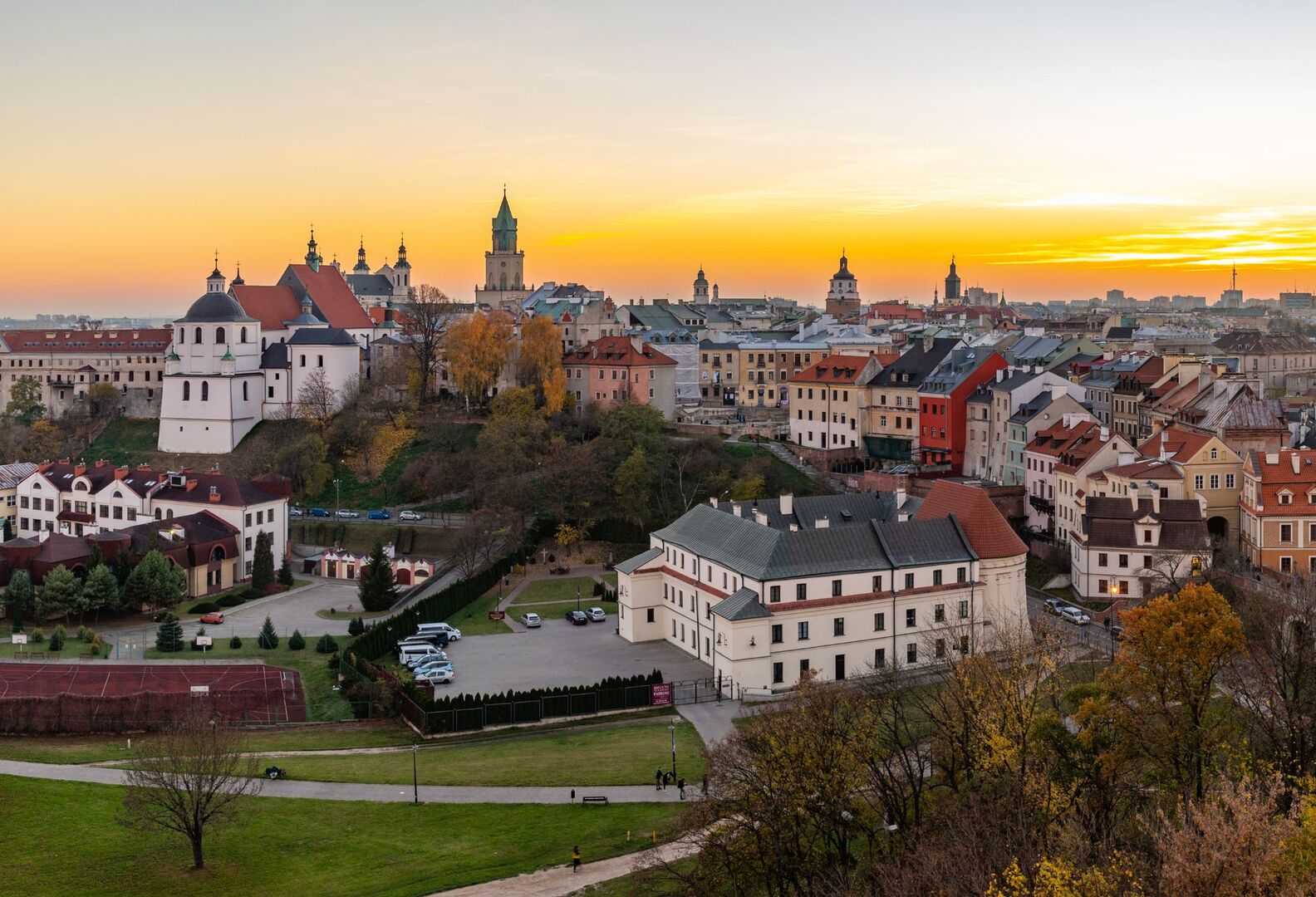
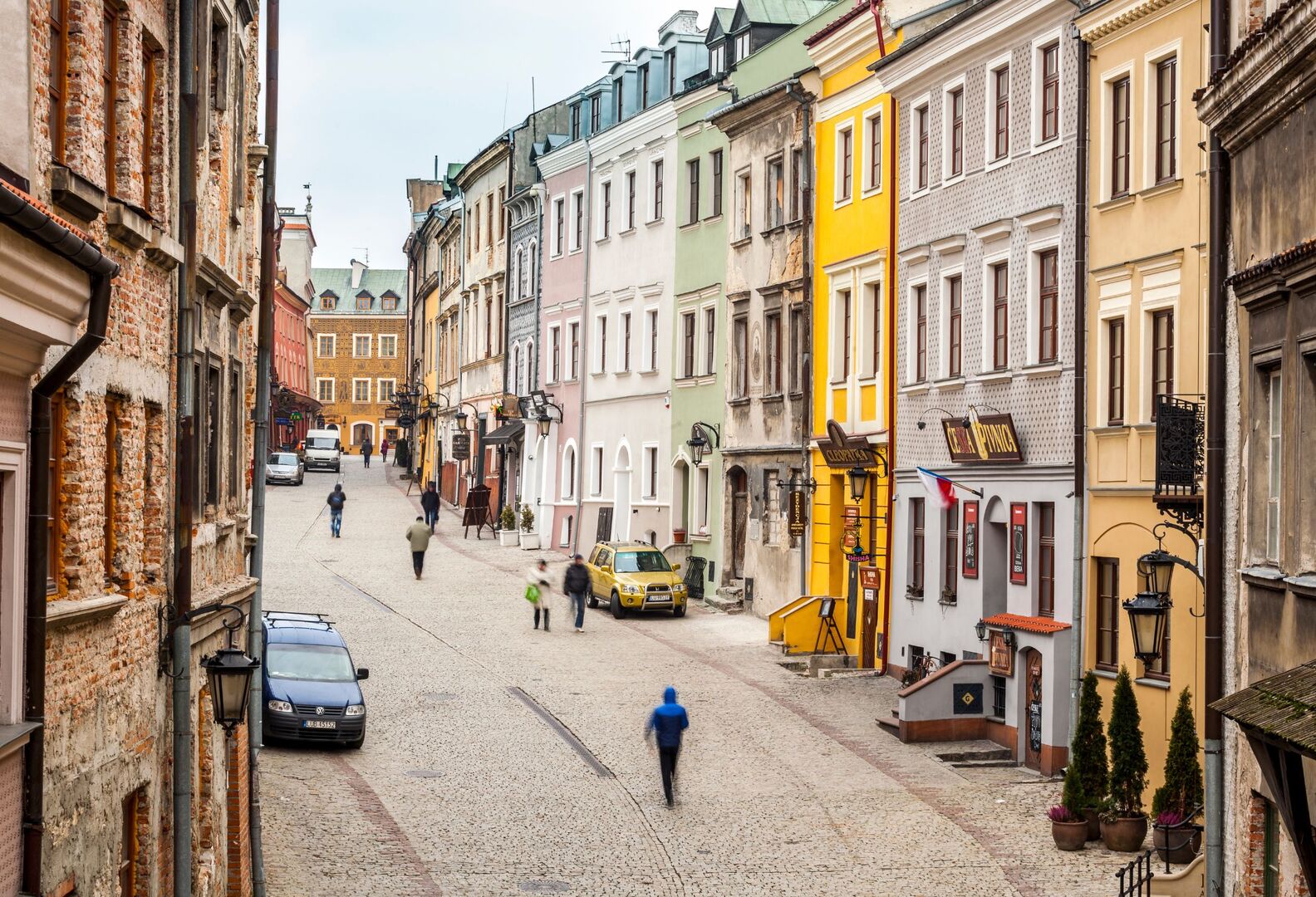
It is worth starting your exploration of Lublin with the Old Town, one of the most beautiful historic urban complexes in Poland. Narrow streets, colorful tenement houses, city gates, alleys, restaurants, and galleries create an extraordinary atmosphere best discovered at a leisurely pace. This is an ideal place for a walk, photos, coffee, and your first encounter with the city's vibe.
The heart of the Old Town is the Market Square with the Crown Tribunal. The former Tribunal building is one of the most important structures in central Lublin, and underneath it runs the Lublin Underground Route. This is an interesting attraction for those who want to learn the city's history in a somewhat more mysterious form – descending below the market level and discovering old cellars and stories related to Lublin.
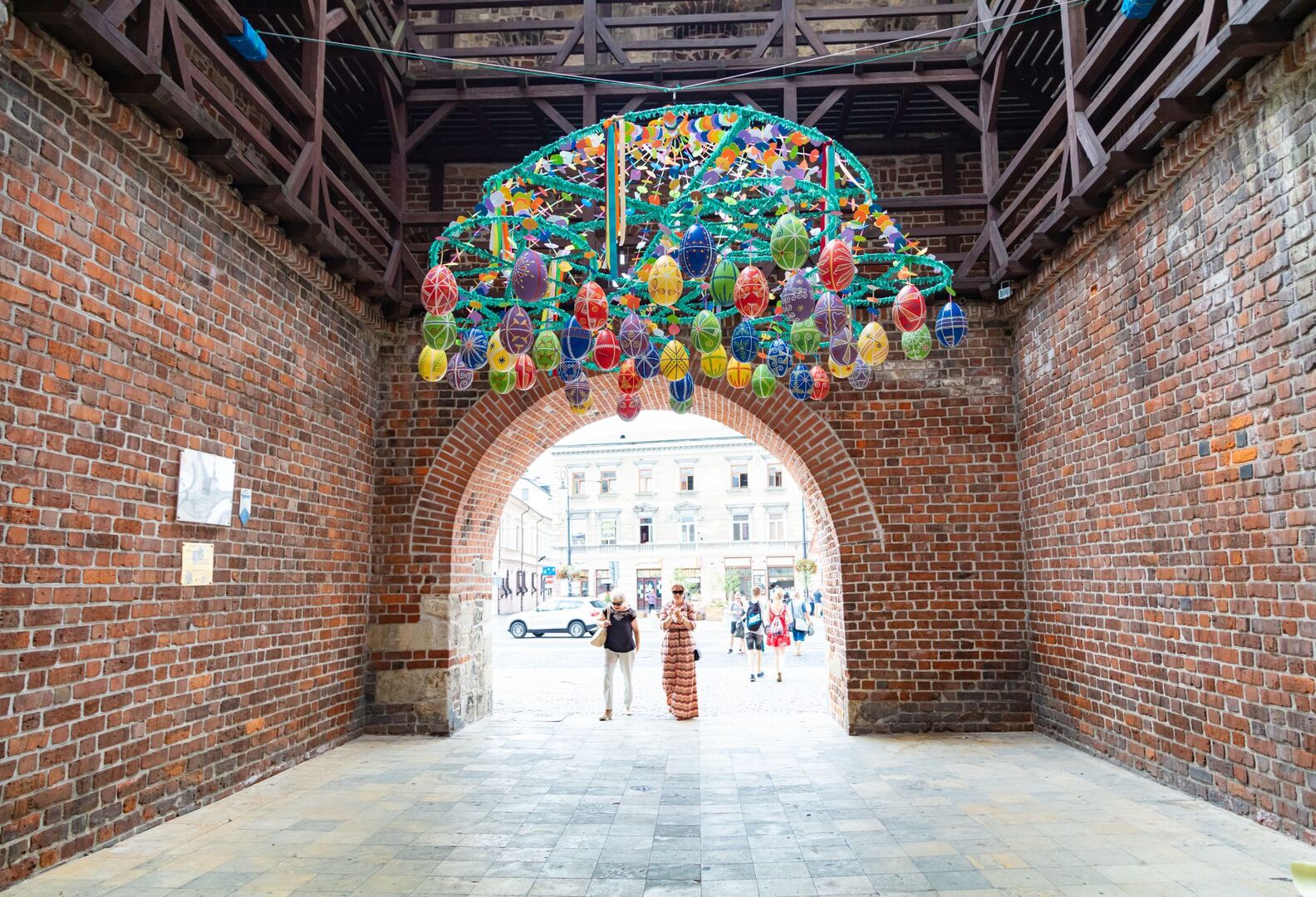
One of the most recognizable symbols of the city is the Krakowska Gate. Formerly part of the defensive walls, today it serves as a distinctive entrance to the Old Town. This is an excellent starting point for a walk and one of the most photogenic places in Lublin. Inside, there is the Museum of Lublin's History.
Also worth seeing is the Grodzka Gate, formerly called the Jewish Gate, as it led from the Christian city to the former Jewish district. Today, the “Brama Grodzka – Teatr NN” Center operates here, which tells the multicultural history of Lublin and remembers its former inhabitants. This is a place that gives sightseeing a deeper, more reflective character.
A very important point on the walking route is the Plac po Farze. Here are the foundations of the former parish church of St. Michael the Archangel, and from the square, there is a beautiful view towards the Lublin Castle. This place is loved by tourists and photographers, especially in the evening, when the Old Town acquires a unique atmosphere.
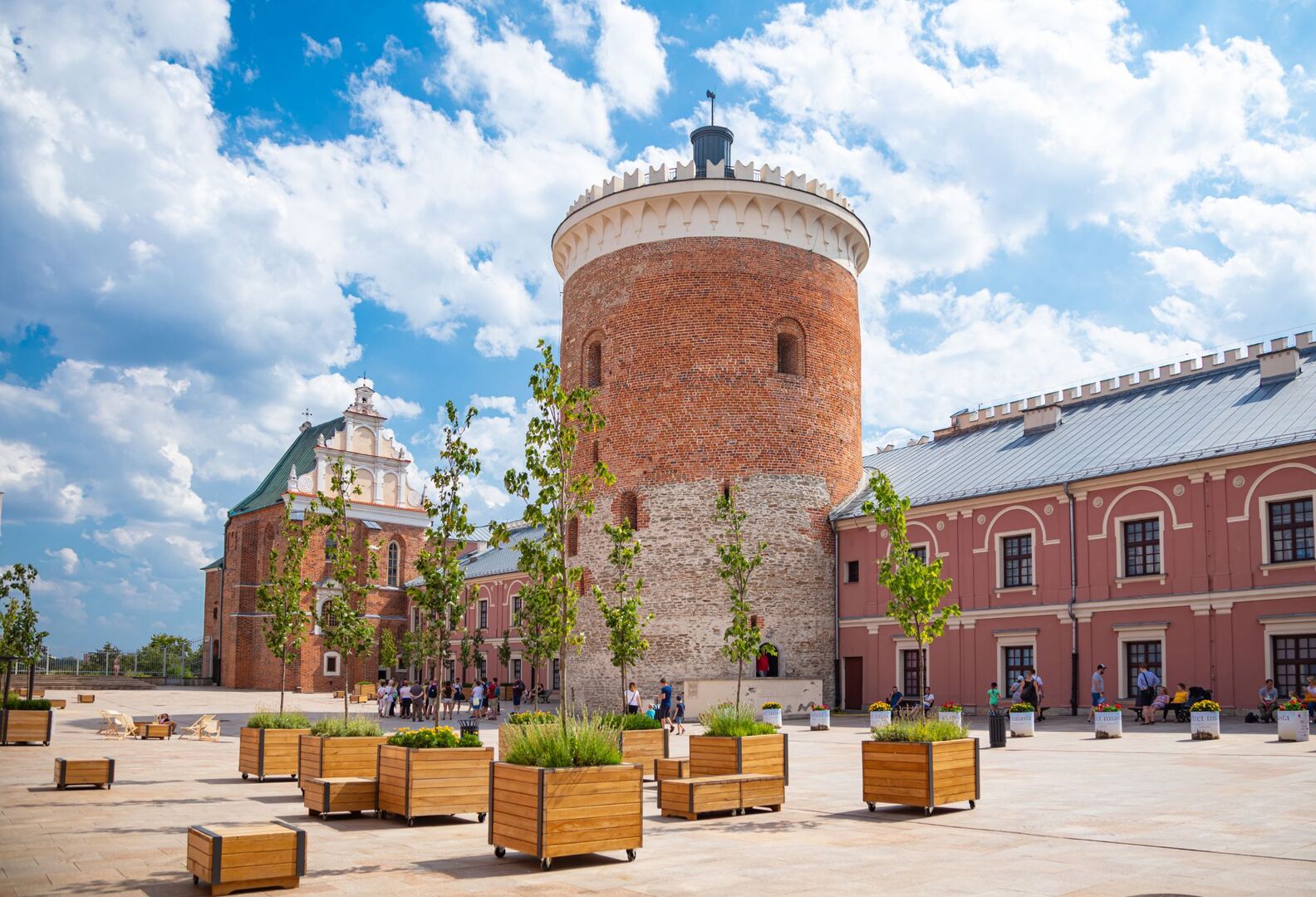
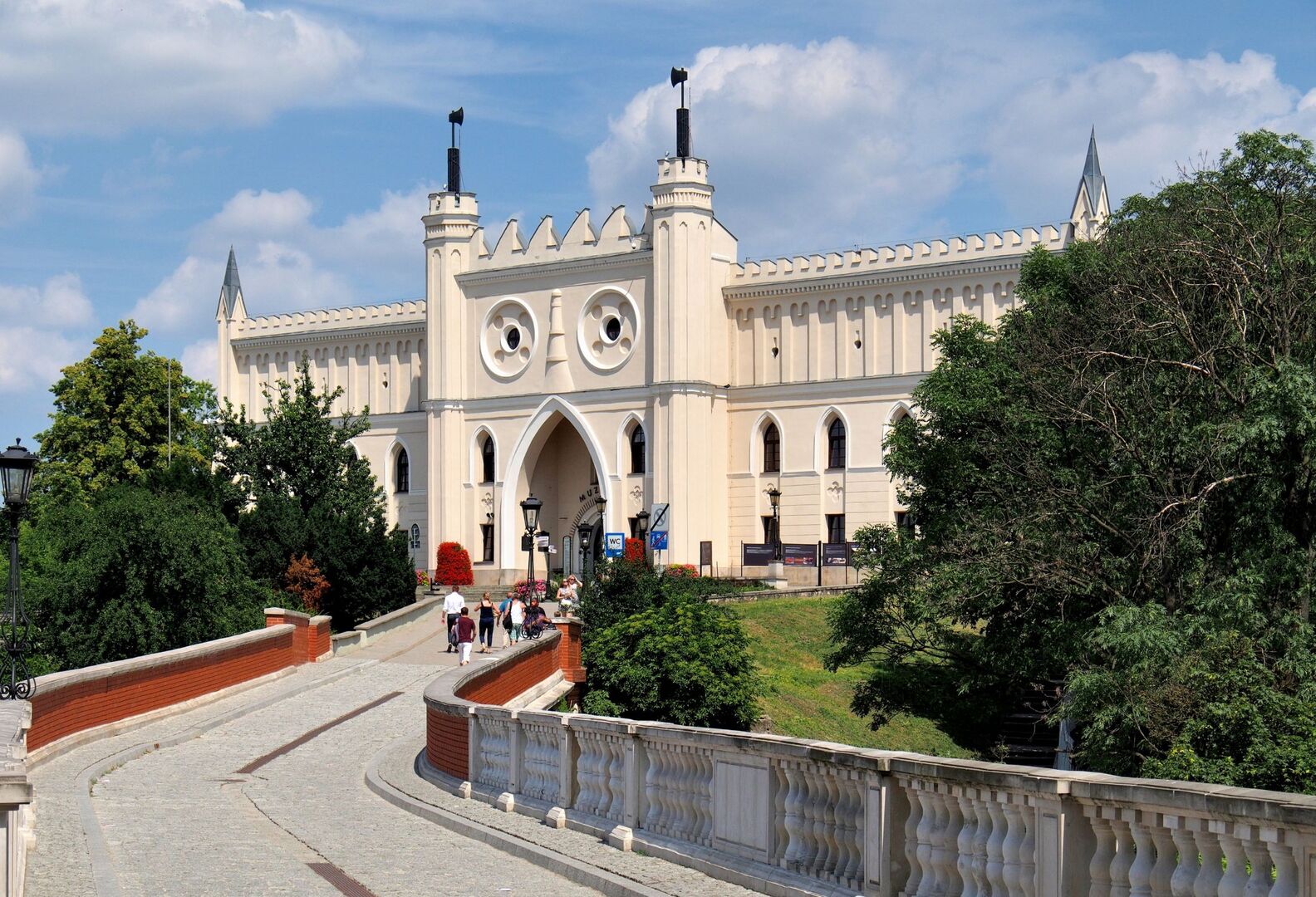
One of Lublin's biggest attractions is the Lublin Castle with the Holy Trinity Chapel and the castle keep. Today the castle houses the National Museum in Lublin and presents rich collections of art, history, archaeology, and ethnography. A particular treasure is the Holy Trinity Chapel, whose interior is adorned with extraordinary Byzantine-Ruthenian paintings. This is one of Lublin's most valuable monuments and a place definitely worth adding to the must-see list.
Next to the castle is the keep, the former defensive tower. From its top, you can admire the city panorama and see the Old Town from a completely different perspective. This is a good choice for those who like viewpoints and want to better see the layout of Lublin's historic center.
On your sightseeing route, it is also worth including the Lublin Archcathedral and the Trinitarian Tower. The Archcathedral impresses with its monumental interior, and the Trinitarian Tower is one of the best viewpoints in the city. Access to the viewing terrace allows you to see the rooftops of the Old Town, the castle, churches, and the more modern part of Lublin.
A good complement to the walk is Krakowskie Przedmieście and Plac Litewski – the representative part of the city with a promenade, greenery, fountains, and resting places. This is an ideal space for a peaceful stroll after exploring the Old Town, especially on warm days and evenings.
History and tradition enthusiasts should also consider visiting the Lublin Village Museum. This is a vast open-air museum where you can see old cottages, manors, mills, chapels, and farm buildings from various parts of the region. It’s a very interesting attraction for families with children and for those who want to get to know the former culture of the Lublin region better.
One of the most beautiful green spots in Lublin is the Botanical Garden of Maria Curie-Skłodowska University. This is an ideal suggestion for those who want to relax in nature, among flowers, paths, ponds, and old trees after exploring the city center.


📍 Botanical Garden UMCS Location: visitor entrance from Willowa street, between numbers 58 and 60, 20-810 Lublin
The UMCS Botanical Garden was officially established in 1965 at the initiative of Prof. Józef Motyka. The site of the future Garden was chosen to be the former Sławinek estate, selected because of its terrain shape, landscape qualities, and unique natural conditions. Interestingly, before the garden fully developed at its current location, the first nurseries and plant collections were established from 1946 in the area of today's academic town.
The Garden's area also has an interesting spa past. In the 19th century, a spa associated with ferruginous healing waters operated in Sławinek. Thanks to this, the present Botanical Garden combines not only natural value but also historical and landscape significance. It is a place where one can feel the calmer, almost spa-like rhythm of Lublin.
Within the Garden is the Kościuszko Manor. The first mentions of this place date back to 1720, and in the second half of the 18th century, the manor belonged to Jan Nepomucen Kościuszko, the uncle of Tadeusz Kościuszko. Currently, the reconstructed building is an important historical element of the Garden and is under conservation protection. This place beautifully combines botany, history, and architecture.
Near the Manor, remains of the old defensive fortification, the Kościuszko Redoubt, have been preserved. This is a unique structure related to the tradition of earth defensive buildings. The redoubt, along with the covered road, has been entered into the register of monuments, and its presence makes a walk through the Botanical Garden also an interesting history lesson.
The UMCS Botanical Garden impresses primarily with plant diversity. You can walk among collections of trees and shrubs, ornamental plants, mountain species, tropical, subtropical, aquatic, marsh, and useful plants. The place changes with the seasons, so each visit can look completely different.
It is especially beautiful here in spring and summer when successive collections of ornamental plants bloom. In April, tulips and daffodils charm, in May beard irises, in June peonies, in July daylilies, and in August dahlias. Thanks to this, the Garden is attractive throughout the season, and it is worth planning your visit exactly when your favorite plants are in bloom.
In the Garden, you can see approx. 100 tulip varieties, 75 species and varieties of daffodils, about 540 species and varieties of beard irises, over 140 species and varieties of peonies, over 300 species and varieties of daylilies, and more than 100 dahlia varieties. It is an excellent place for garden lovers, photographers, nature enthusiasts, and peaceful walks.
Noteworthy are also walking alleys, ponds, educational paths, rosarium, alpine garden, greenhouse plant collections, and atmospheric corners hidden among greenery. The UMCS Botanical Garden is a place where you can spend an hour but equally half a day – relaxing, photographing flowers, and discovering further parts of this extensive area.
Lublin is a city worth exploring in many layers. On the one hand, it enchants with the Old Town, castle, gates, and museums; on the other, it offers peaceful green spaces such as the Botanical Garden or the Lublin Village Museum. It is a great proposition both for history enthusiasts and those who like to combine sightseeing with relaxation.
During your stay at Arche Nałęczów, a trip to Lublin is an excellent idea for a full day. It is worth planning a walk through the Old Town, a visit to the Lublin Castle, entry to the Holy Trinity Chapel, rest at Plac Litewski, and a peaceful walk through the UMCS Botanical Garden. This is one of the most interesting attractions of the region, perfect for those who want to discover Lublin Land from the perspective of history, culture, architecture, and nature.